
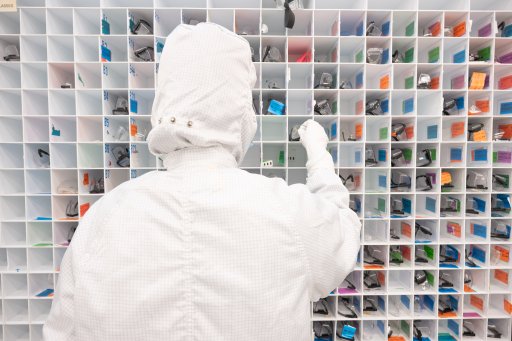
The fellowships are awarded to outstanding graduate students pursuing STEM research and education.
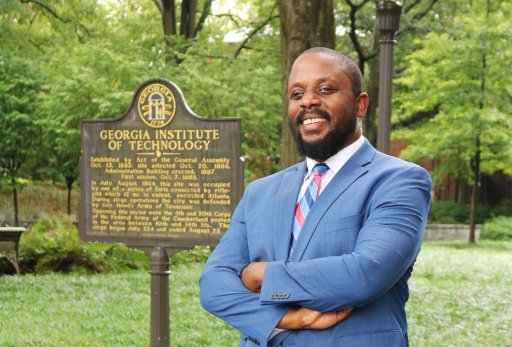
Professor Wheaton has been involved in the American Society of Neurorehabilitation (ASNR) for nearly two decades. His research interests initially drew him to ASNR; his belief in the organization’s mission led him to join its leadership team.

Leykin is among two Georgia Tech mathematicians to receive the prestigious award. The Fellowship will support one year of research, during which he aims to tackle a key celestial mechanics problem using nonlinear algebra and tropical geometry.
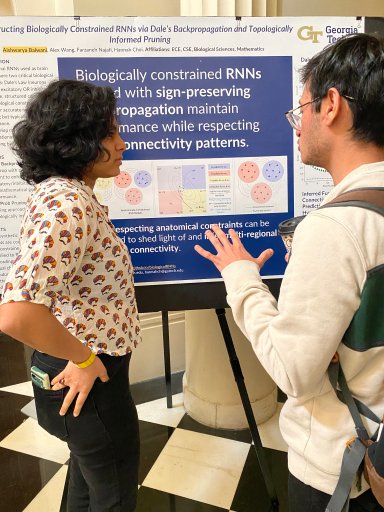
The College of Sciences’ signature research event featured thought-provoking discussions at the intersection of neuroscience, cognition, and artificial intelligence.
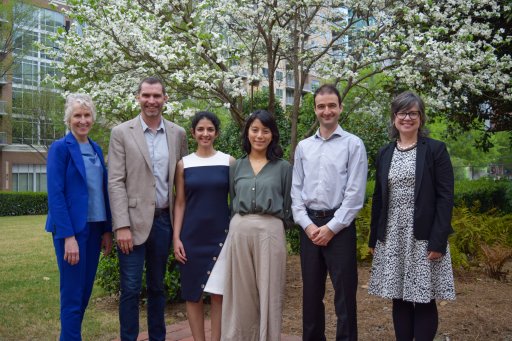
The College of Sciences’ signature research event featured thought-provoking discussions at the intersection of neuroscience, cognition, and artificial intelligence.
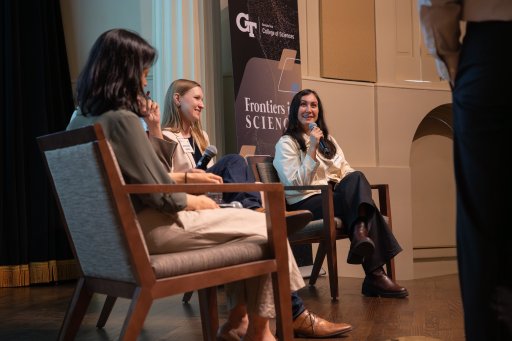
The College of Sciences’ signature research event featured thought-provoking discussions at the intersection of neuroscience, cognition, and artificial intelligence.
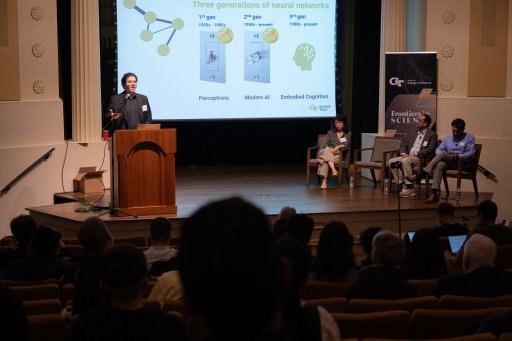
The College of Sciences’ signature research event featured thought-provoking discussions at the intersection of neuroscience, cognition, and artificial intelligence.
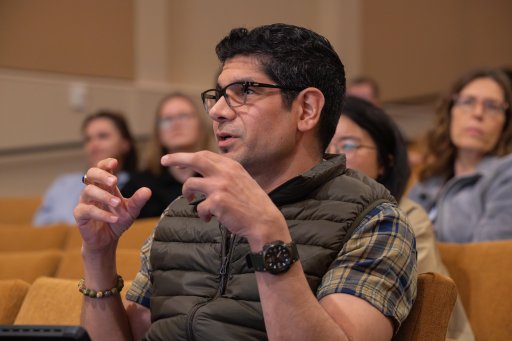
The College of Sciences’ signature research event featured thought-provoking discussions at the intersection of neuroscience, cognition, and artificial intelligence.
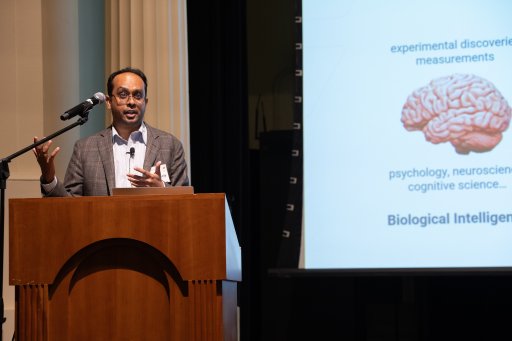
The College of Sciences’ signature research event featured thought-provoking discussions at the intersection of neuroscience, cognition, and artificial intelligence.

The new center, announced by the College in December 2024, will drive research aimed at improving life across the state of Georgia.