

Professor Emeritus Richard Nichols of the School of Biological Sciences has been recognized for his significant contributions to the field of motor control and learning.
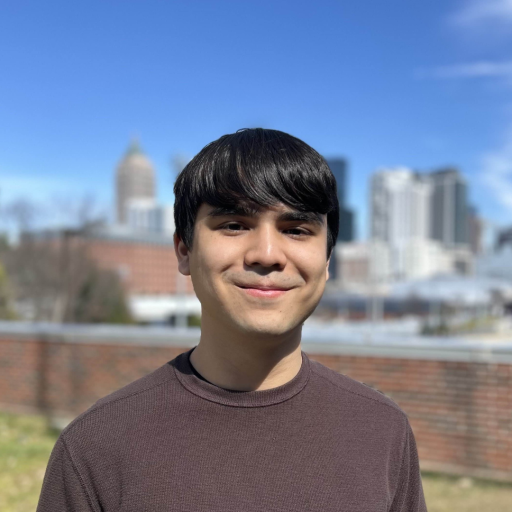
Alexander Divoux, a mathematics and computer science major, is among the recipients of the 2025 Provost's Academic Excellence Awards.

Alexander Divoux, a mathematics and computer science major, is among the recipients of the 2025 Provost's Academic Excellence Awards.

Georgia Tech's Explore Living Learning Community has a new faculty director dedicated to enhancing student engagement through innovative programming and leadership.

One of two Georgia Tech mathematicians to receive the prestigious award, Jaye’s research will center on the mathematics of the Fourier uncertainty principle.
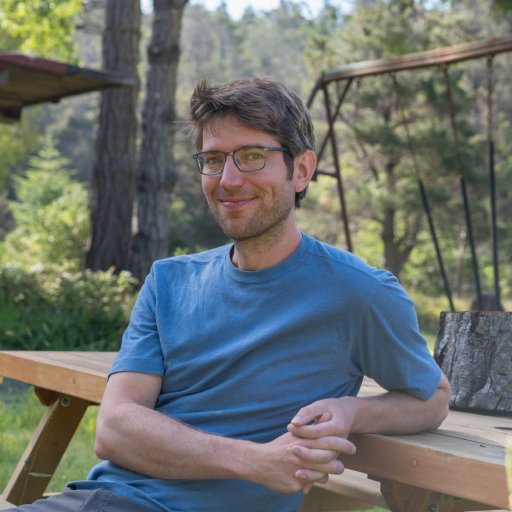
School of Biological Sciences Professor Will Ratcliff was named the first recipient of the John C. and Leslie C. Sutherland Professorship, an endowed faculty position that recognizes outstanding contributions in research and teaching.
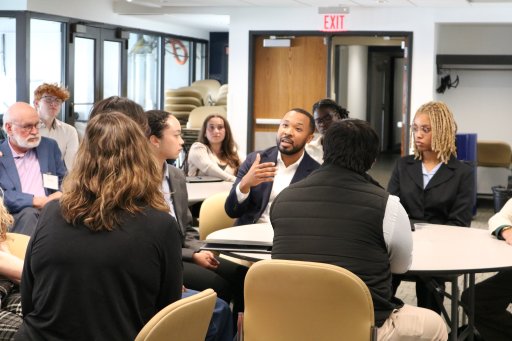
College of Sciences graduates deliver career insights at the Students and Alumni Leadership Dinner.
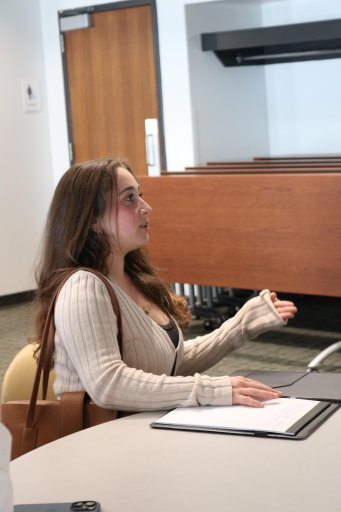
College of Sciences graduates deliver career insights at the Students and Alumni Leadership Dinner.
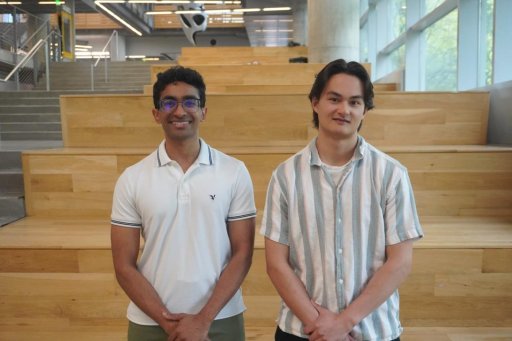
Chemistry major Matthew Rohan and biomedical engineering major Anirudh Sriram were awarded the prestigious Barry Goldwater Scholarship for exceptional academic achievements and dedication to STEM research.

This semester, 36 faculty members from across the Institute, including four from the College of Sciences, were awarded tenure.