News

With support from an NSF CAREER Award, Gong Chen is advancing new mathematical frameworks to predict how complex wave systems evolve — unlocking deeper insights into solitons, the rare waves that hold their shape while traveling at a constant speed.
From storytelling to customer discovery, Quadrant-i teaches faculty soft skills to commercialize their work.
New research could shape how scientists think about bacterial infections and antibiotic treatment.
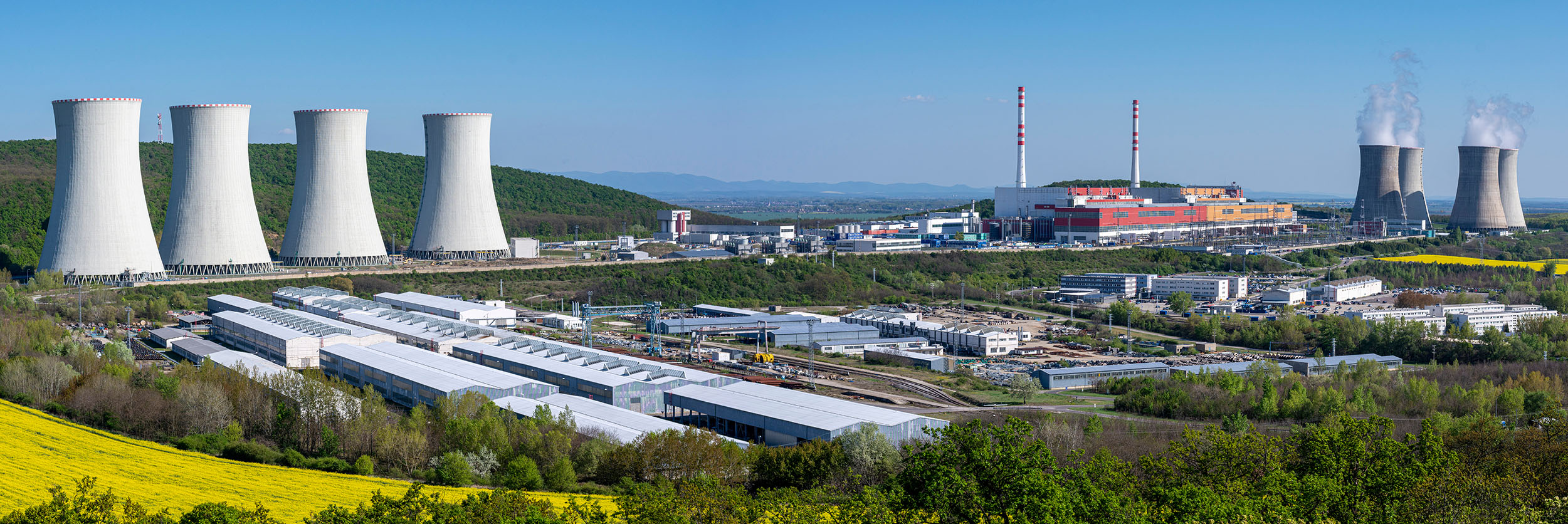
A new Department of Energy award will help Georgia Tech lead a regional effort to identify, recover, and reuse materials essential to energy, manufacturing, and national security.
With a career rooted in science, alumna Tara Stoinski is shaping the future of wildlife conservation and gorilla preservation.

Events

This event series aims to showcase research taking place in the College of Sciences to the wider science community.

Enjoy curated wines, thoughtfully selected pairing, and a graduate student poster showcase with other College of Sciences alumni and friends of the College.

A campus-wide celebration of innovation in the space domain, bringing together academia, industry, and government.

A campus-wide celebration of innovation in the space domain, bringing together academia, industry, and government.

Experts in the News

Harnessing the Oceans for Climate Solutions

During an episode of the podcast “Carbon Conversations,” Annalisa Bracco, professor in the School of Earth and Atmospheric Sciences, discusses her work and how computation tools can help us better understand the ocean, marine ecosystems, and climate dynamics.

Carbon Conversations

Long-distance Reefs May Be Key to Coral Recovery From Bleaching in Moorea and Tahiti

Researchers, including Annalisa Bracco, professor in the School of Earth and Atmospheric Sciences, used modeling to demonstrate that the quick recovery of bleached corals in the past five mass bleaching events in Moorea and Tahiti (within the Society Islands of French Polynesia) may be the result of long-distance connectivity with the Tuamotu Islands and undisturbed coral reefs within a 300 km radius.

National Centers for Coastal Ocean Science News

Airborne Lead and Chlorine Levels Soared as L.A. Wildfires Raged

Wildfires are becoming a bigger focus for scientists that study air pollution, said Nga Lee (Sally) Ng, professor in the School of Earth and Atmospheric Sciences. Ng is also the principal investigator of ASCENT, a new federally funded, national monitoring network that began last year to measure a wide range of air pollutants in real time. The readings from the Los Angeles area fires were captured at the network’s monitoring station in Pico Rivera, several miles from the active fires.

The New York Times


agu logo