
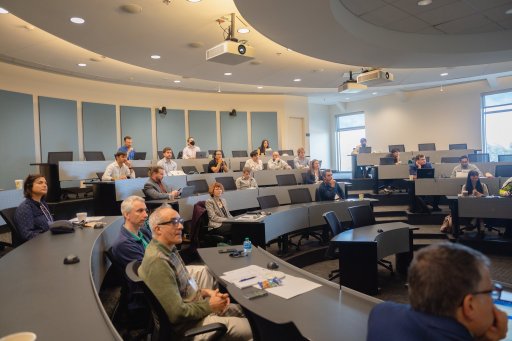
Physicists from Georgia Tech and around the country shared their AI and ML research successes, and heard presentations from NSF and NASA officials on the funding landscape for proposals that include the technologies.
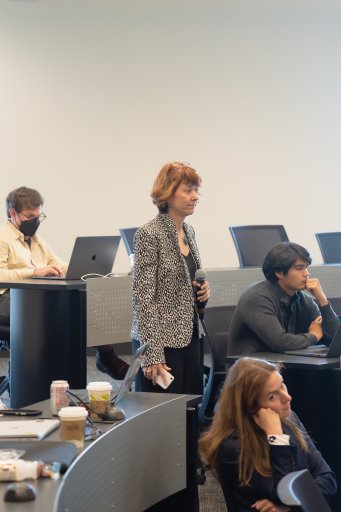
Physicists from Georgia Tech and around the country shared their AI and ML research successes, and heard presentations from NSF and NASA officials on the funding landscape for proposals that include the technologies.
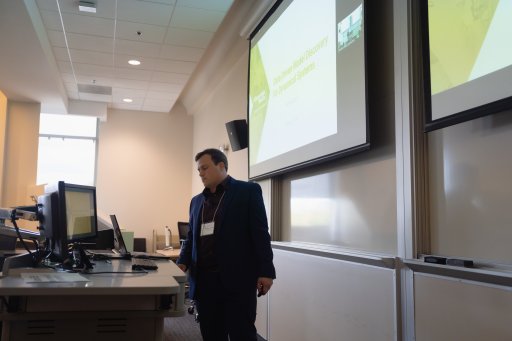
Physicists from Georgia Tech and around the country shared their AI and ML research successes, and heard presentations from NSF and NASA officials on the funding landscape for proposals that include the technologies.
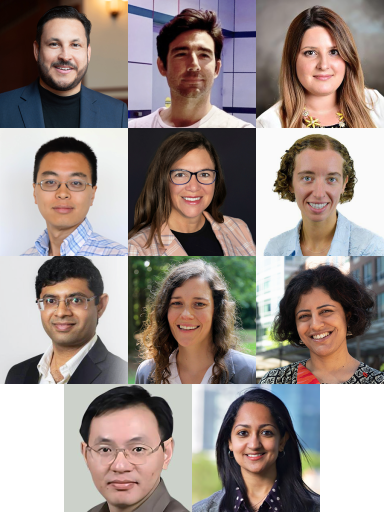
Eleven new Faculty Fellows were appointed to the Brook Byers Institute for Sustainable Systems (BBISS).

The Urban Honey Bee Project’s new beekeeper in residence is creating art and educating the public with her practice.

The Urban Honey Bee Project’s new beekeeper in residence is creating art and educating the public with her practice.

The Urban Honey Bee Project’s new beekeeper in residence is creating art and educating the public with her practice.
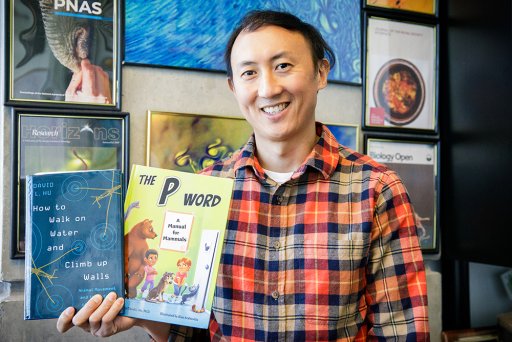
David Hu, professor in the George W. Woodruff School of Mechanical Engineering and School of Biological Sciences at Georgia Tech, has been elected a 2023 American Physical Society Fellow for his innovative experiments in biological fluid mechanics.
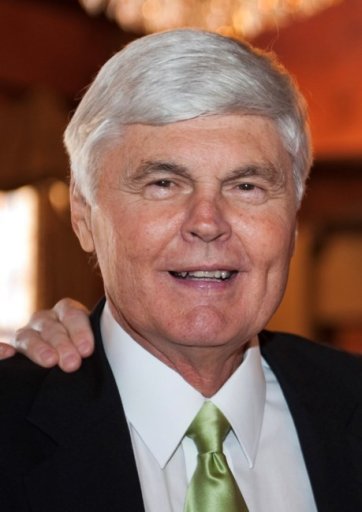
Georgia Tech and the College of Sciences community sends its condolences to the family and friends of James (Jim) Reedy, a former professor and chair of the College's former Department of Health & Physical Education.

Georgia Tech and the College of Sciences community sends its condolences to the family and friends of James (Jim) Reedy, a former professor and chair of the College's former Department of Health & Physical Education.