
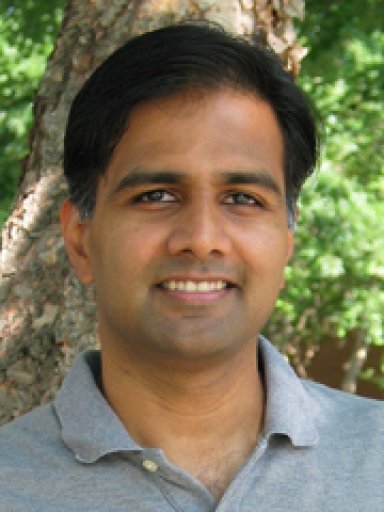
The appointments recognize existing faculty within the College, and welcome new faculty members to the Institute.

Suggestions for having a civil discussion on sensitive issues.

The appointments recognize existing faculty within the College, and welcome new faculty members to the Institute.
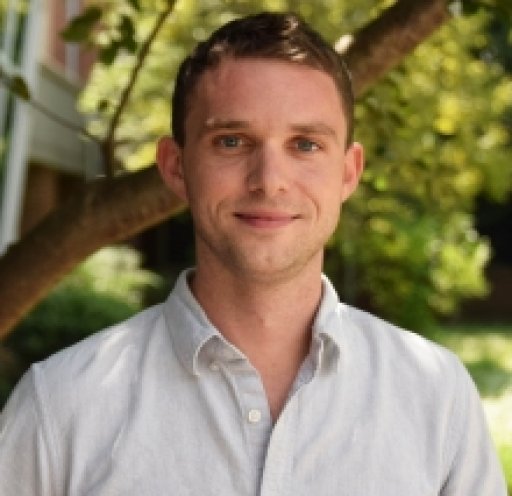
The appointments recognize existing faculty within the College, and welcome new faculty members to the Institute.
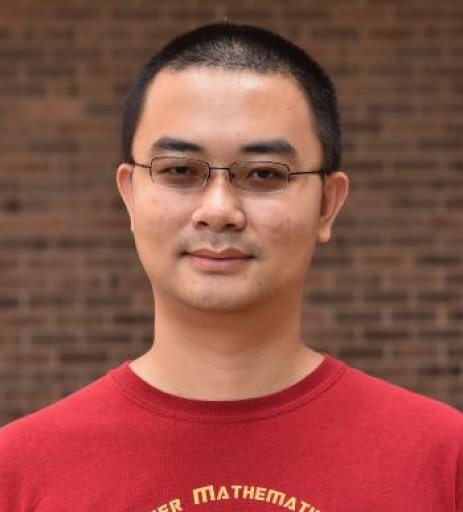
The appointments recognize existing faculty within the College, and welcome new faculty members to the Institute.

The appointments recognize existing faculty within the College, and welcome new faculty members to the Institute.

The appointments recognize existing faculty within the College, and welcome new faculty members to the Institute.

The appointments recognize existing faculty within the College, and welcome new faculty members to the Institute.

The appointments recognize existing faculty within the College, and welcome new faculty members to the Institute.

The appointments recognize existing faculty within the College, and welcome new faculty members to the Institute.