

The researchers’ results have created a new resource for developing next-generation, ultra-sensitive quantum electronic devices.
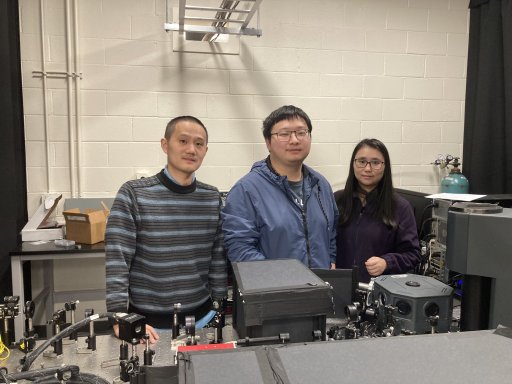
The researchers’ results have created a new resource for developing next-generation, ultra-sensitive quantum electronic devices.
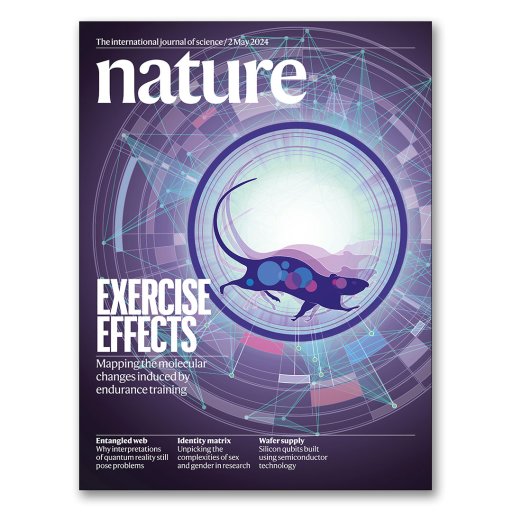
Exercise is good for you. To understand why, MoTrPAC scientists are creating a whole-body map of molecular responses to endurance training — finding striking “all tissue effects” in a new set of studies, featured on the May cover of the journal Nature.
Exercise is good for you. To understand why, MoTrPAC scientists are creating a whole-body map of molecular responses to endurance training — finding striking “all tissue effects” in a new set of studies, featured on the May cover of the journal Nature.
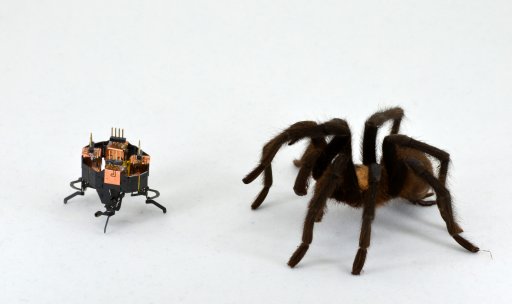
Georgia Tech Researcher Simon Sponberg collaborates to ask why robotic advancements have yet to outpace animals — and look at what we can learn from biology to engineer new robotic designs.
The new interdisciplinary Ph.D. in Neuroscience and Neurotechnology is expected to enroll its first graduate students in Fall 2025. Sciences will also offer a new Minor in Neuroscience, beginning Fall 2024.

First phase of innovation district promises to encourage medical advances, drive economic growth, and inspire future generations

The latest episode of Generating Buzz follows the College of Sciences’ Frontiers in Science event, giving listeners an opportunity to hear from experts.
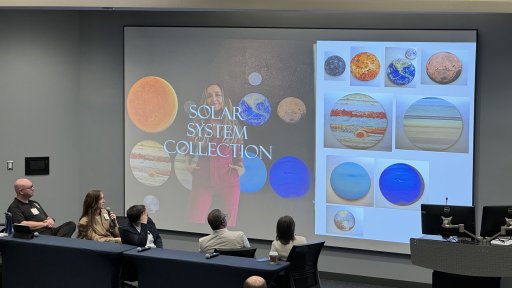
The event brought together faculty, researchers, and students to celebrate the Institute’s interdisciplinary space research.

Andrew Rogers was given a week to live at 3 years old. Now cancer-free, he wants to make sure no child with cancer goes through it alone.