
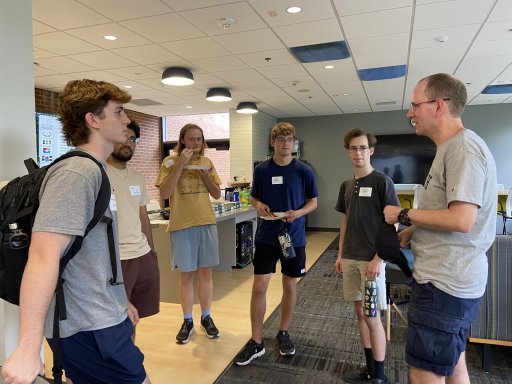
The undergraduate astrophysics program introduces students to the fundamental physical processes and laws that govern the cosmos. This foundational curriculum is complemented by training in computational and data analysis techniques.
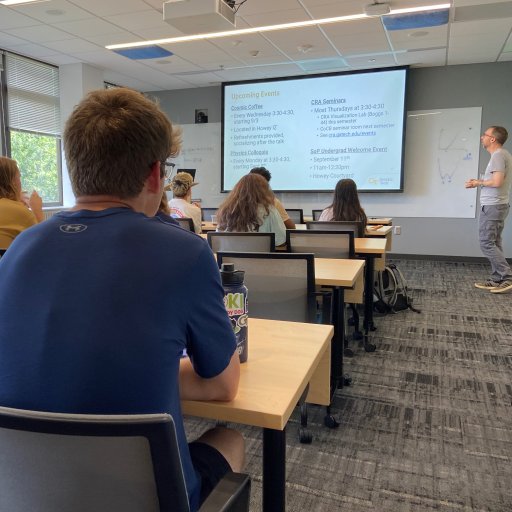
The undergraduate astrophysics program introduces students to the fundamental physical processes and laws that govern the cosmos. This foundational curriculum is complemented by training in computational and data analysis techniques.

The undergraduate astrophysics program introduces students to the fundamental physical processes and laws that govern the cosmos. This foundational curriculum is complemented by training in computational and data analysis techniques.
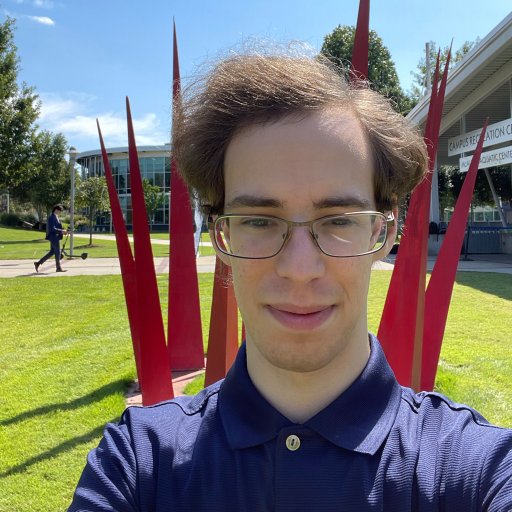
The undergraduate astrophysics program introduces students to the fundamental physical processes and laws that govern the cosmos. This foundational curriculum is complemented by training in computational and data analysis techniques.
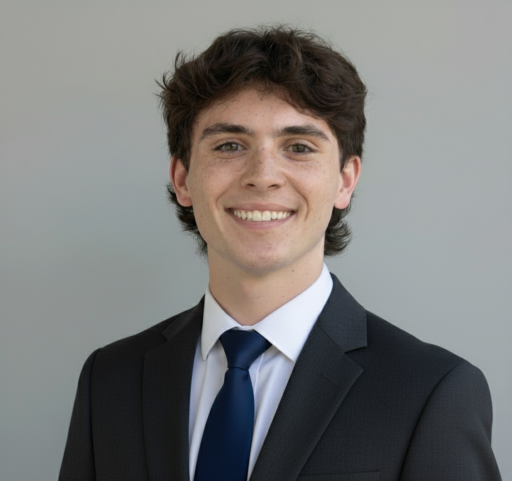
The undergraduate astrophysics program introduces students to the fundamental physical processes and laws that govern the cosmos. This foundational curriculum is complemented by training in computational and data analysis techniques.

Georgia Tech researchers analyze seasonal differences of SO₂ and sulfate concentrations in the atmosphere over decades to determine the long-term impact of sustained air quality control efforts.
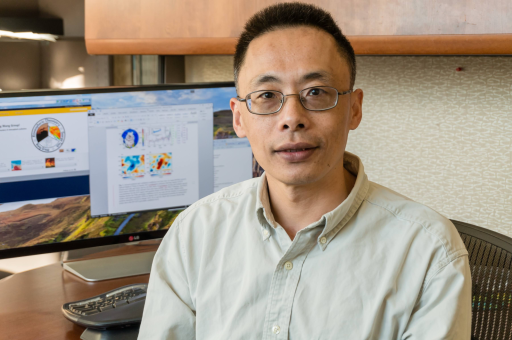
Georgia Tech researchers analyze seasonal differences of SO₂ and sulfate concentrations in the atmosphere over decades to determine the long-term impact of sustained air quality control efforts.
Georgia Tech researchers analyze seasonal differences of SO₂ and sulfate concentrations in the atmosphere over decades to determine the long-term impact of sustained air quality control efforts.
Georgia Tech researchers analyze seasonal differences of SO₂ and sulfate concentrations in the atmosphere over decades to determine the long-term impact of sustained air quality control efforts.
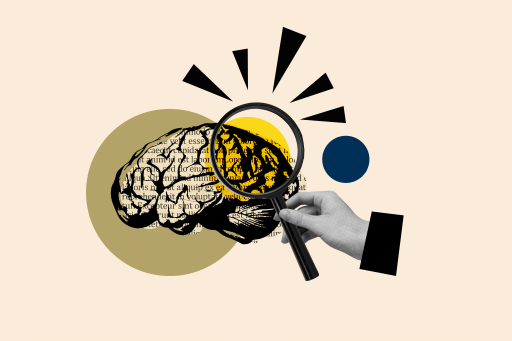
Neuroscience at Georgia Tech is entering a new era — one defined by interdisciplinary research, educational innovation, and real-world impact.