
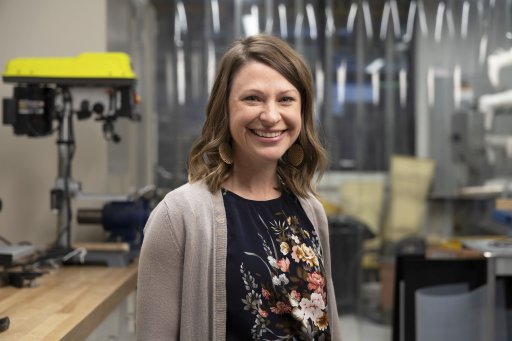
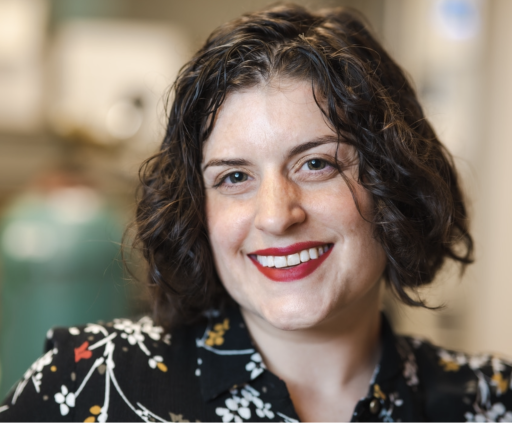
Kinsey Herrin’s lifelong passion for working with her hands guided her career path, ultimately leading her to become a prosthetist/orthotist and principal researcher at Georgia Tech.
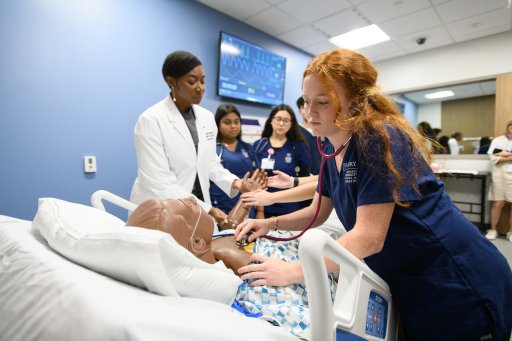
Georgia Tech and the Nell Hodgson Woodruff School of Nursing at Emory University are partnering to develop a pipeline that prepares more local nurses to meet workforce demands.

Researchers analyzed data from 10, yurt-like test chambers in a natural boreal spruce bog in northern Minnesota.
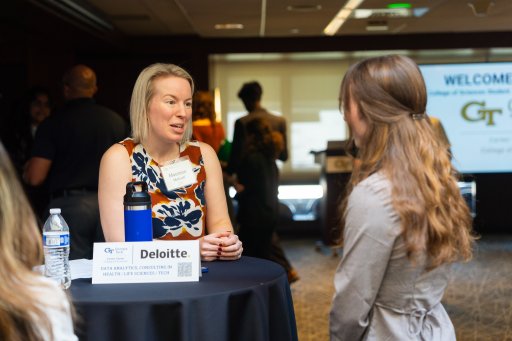
The Student-Employer Networking Expo (SENE) brought together nearly 200 science and math students with employers to build connections and explore career opportunities.
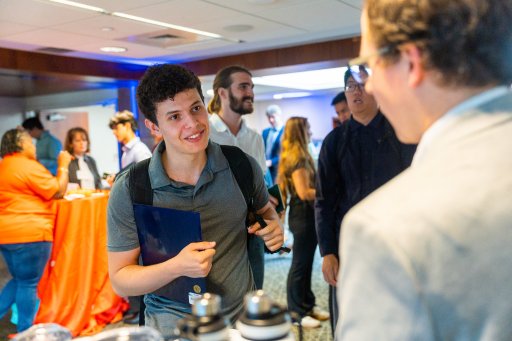
The Student-Employer Networking Expo (SENE) brought together nearly 200 science and math students with employers to build connections and explore career opportunities.
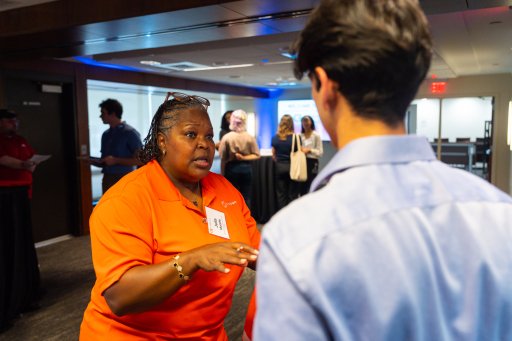
The Student-Employer Networking Expo (SENE) brought together nearly 200 science and math students with employers to build connections and explore career opportunities.
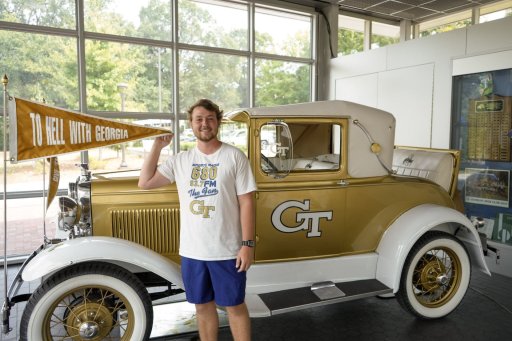
Josh Hembree is the first Ramblin’ Wreck driver to drive the car at his own wedding. He’s also the first transfer student driver in more than a decade.
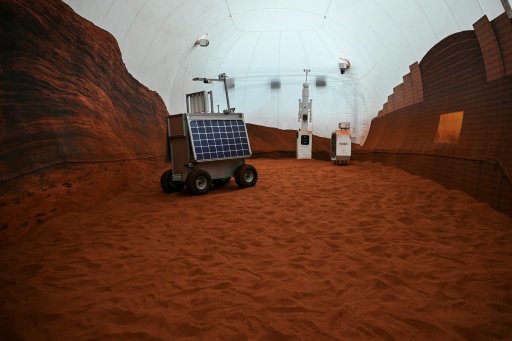
Humanity’s drive to explore has taken us across the solar system, with astronaut boots, various landers and rovers’ wheels exploring the surfaces of several different planetary bodies.
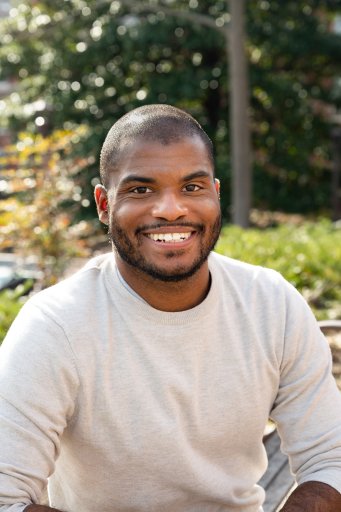
Congratulations to Isaiah Bolden, Jennifer Glass, Alex Robel, and Yuanzhi Tang on their new endowed faculty professorships.
Congratulations to Isaiah Bolden, Jennifer Glass, Alex Robel, and Yuanzhi Tang on their new endowed faculty professorships.