
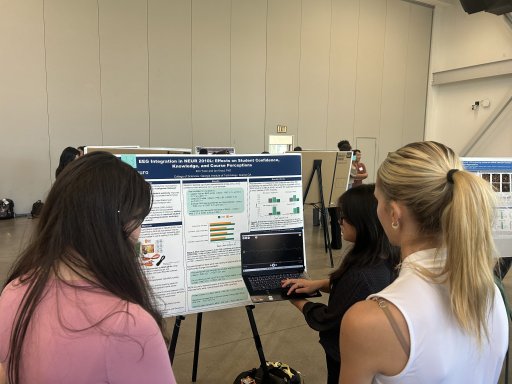
Georgia Tech undergraduates organized and hosted a cross-campus symposium showcasing the impact and breadth of undergraduate neuroscience research.
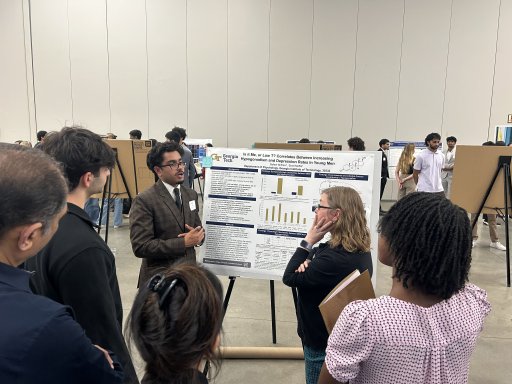
Georgia Tech undergraduates organized and hosted a cross-campus symposium showcasing the impact and breadth of undergraduate neuroscience research.
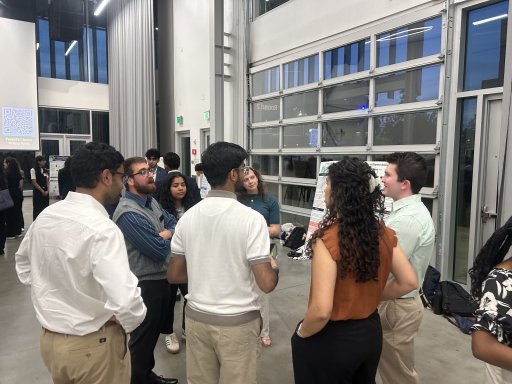
Georgia Tech undergraduates organized and hosted a cross-campus symposium showcasing the impact and breadth of undergraduate neuroscience research.
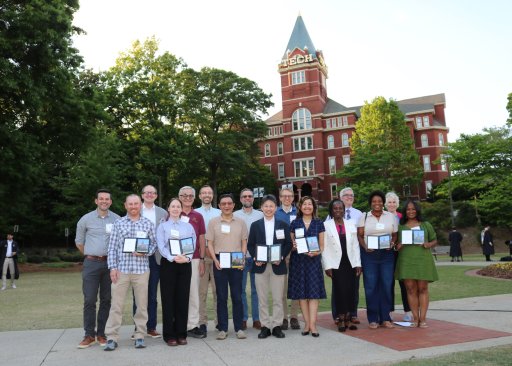
The College of Sciences recognized faculty and staff excellence during this signature event.

For the first time since 2019, Georgia Tech’s top honor for graduating students has been awarded to not one, but two seniors.
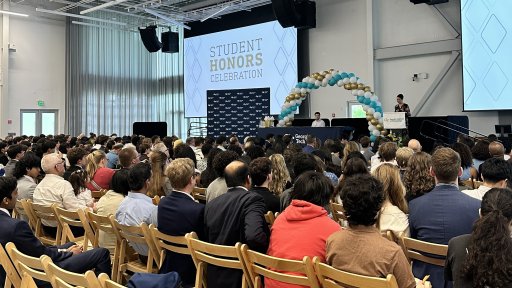
College of Sciences students were recognized for excellence this year at the annual Georgia Tech Student Honors Celebration on Thursday, April 23.

Several members of the College of Sciences community were honored at the 2026 Georgia Tech Faculty and Staff Honors Luncheon.
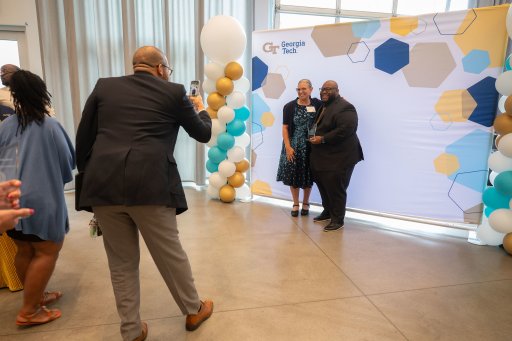
The annual Faculty and Staff Honors Luncheon celebrated excellence from across campus over the past year.

The annual Faculty and Staff Honors Luncheon celebrated excellence from across campus over the past year.
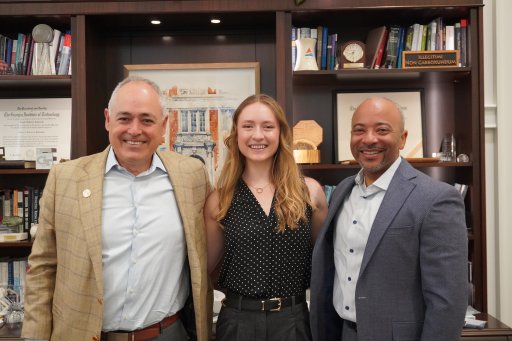
A third-year economics and mathematics major and Stamps President’s Scholar, Taylor Witte has earned one of the nation's top honors for emerging public service leaders.